About All ToursDay ToursHorse Riding ToursPrivate ToursHiking ToursKazbegi & Gudauri Tours Directions Hours & Fees
Find Tours 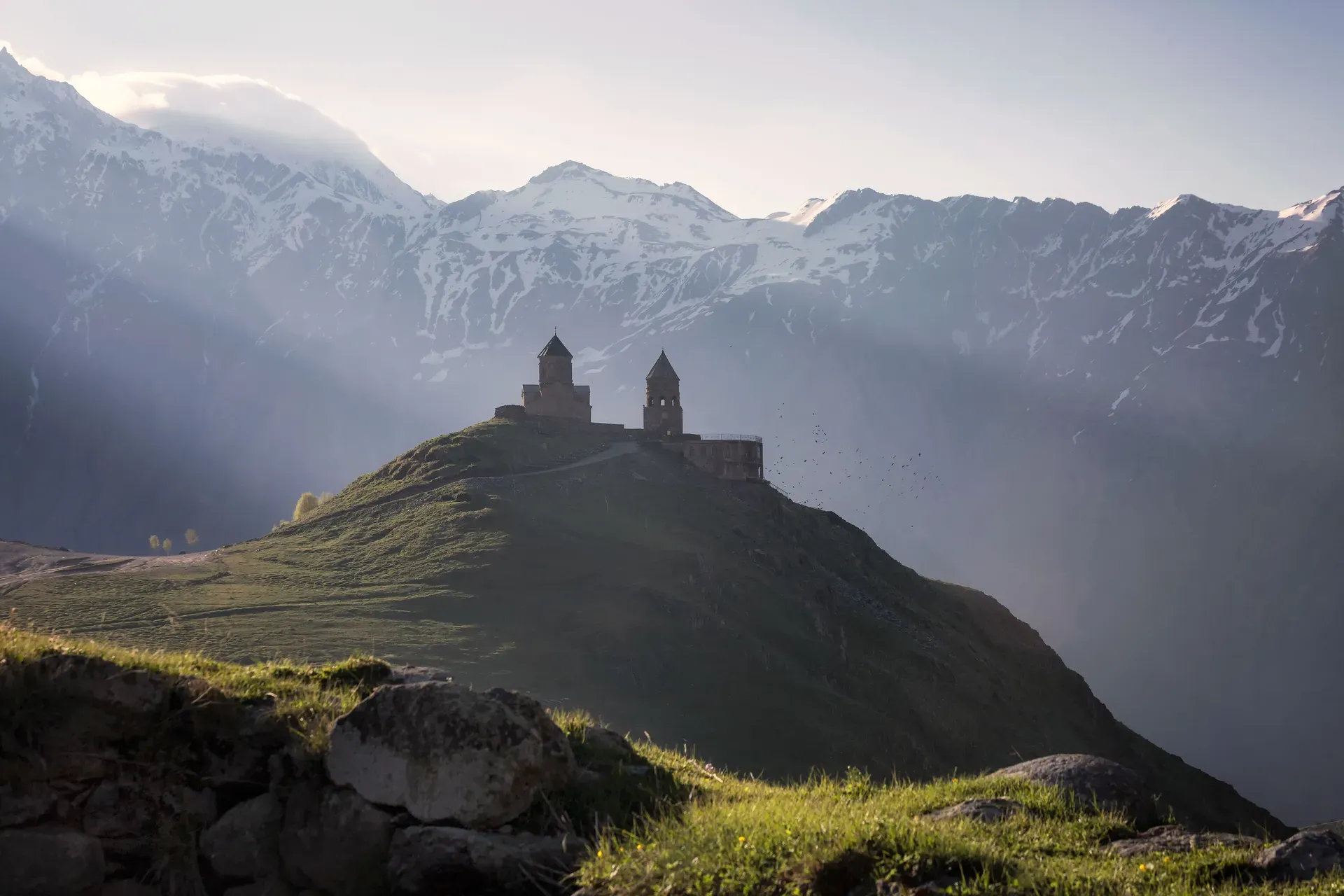
Ride calm local horses from Stepantsminda to Kazbegi's most famous sights, from a one-hour trip to Elia Monastery to a scenic loop to Gergeti Trinity Church. All tours include a local guide, helmets, and free cancellation up to 24 hours before departure.
 Free Cancellation
 One-hour guided horseback ride from Stepantsminda to Elia Monastery, suitable for beginners.
 Free Cancellation
 2.5-hour guided horseback ride from Stepantsminda up to Gergeti Trinity Church and back, helmets included.
Read what travelers share about their experience visiting Kazbegi — from practical tips to personal highlights.
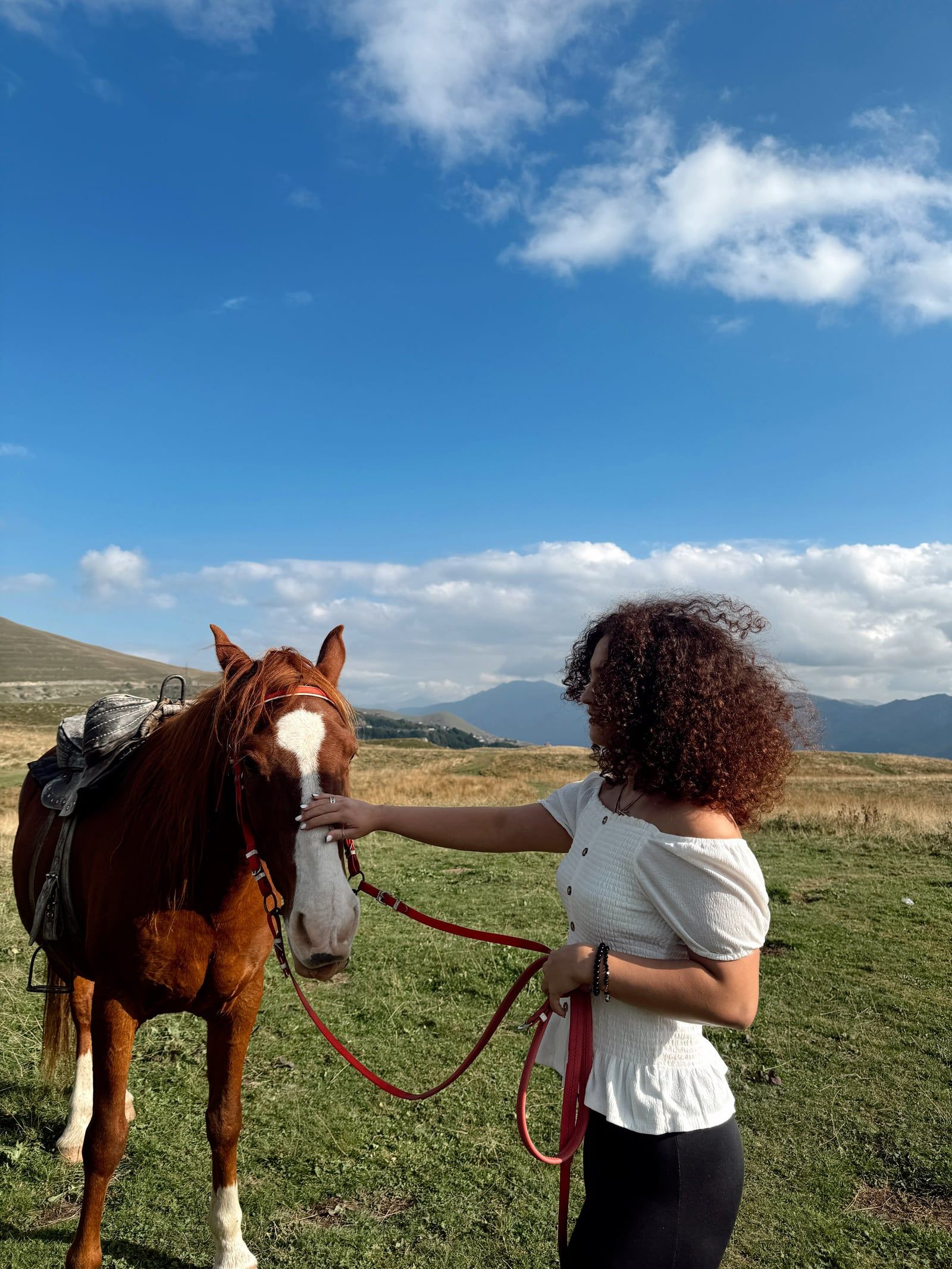
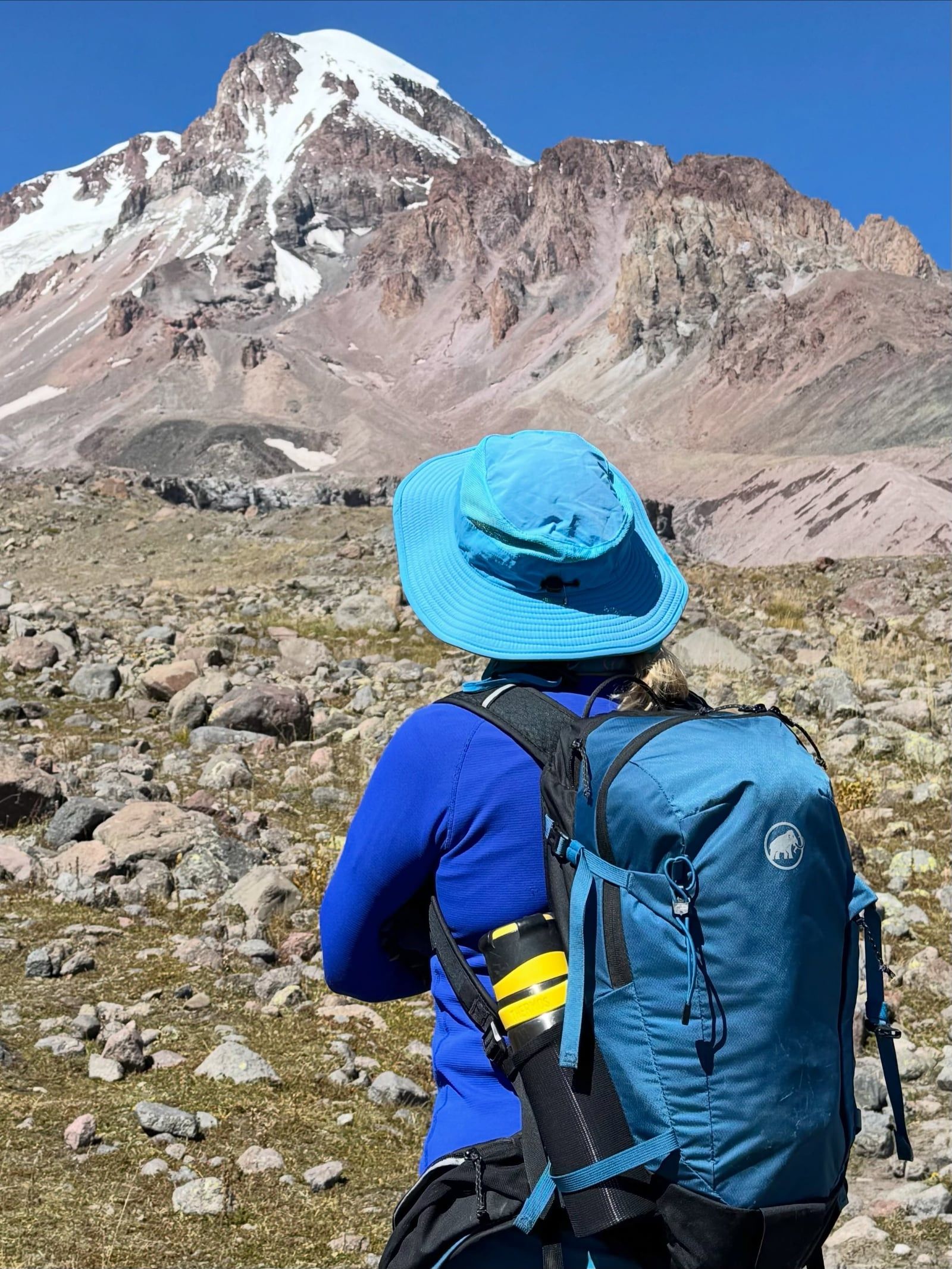
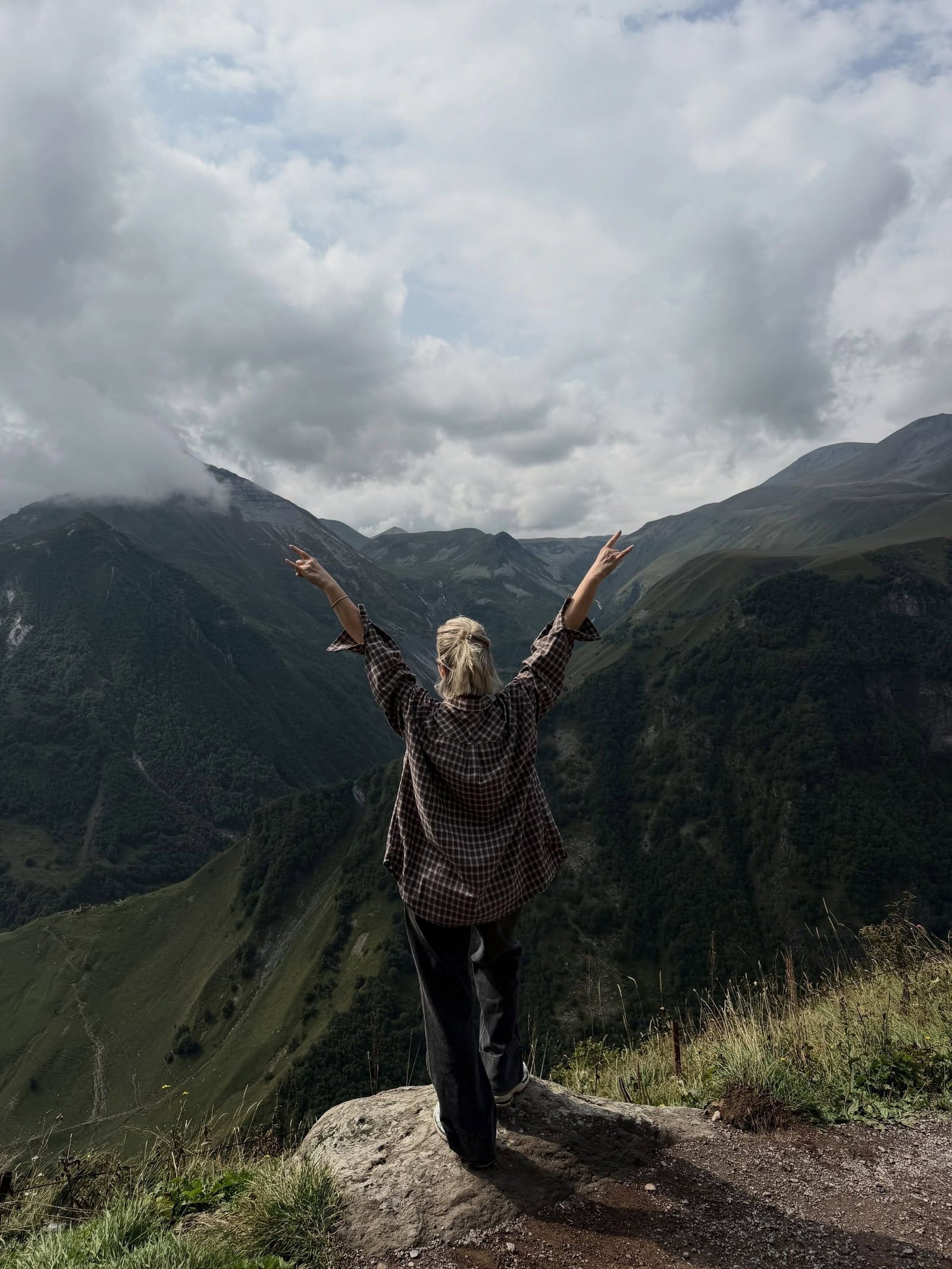
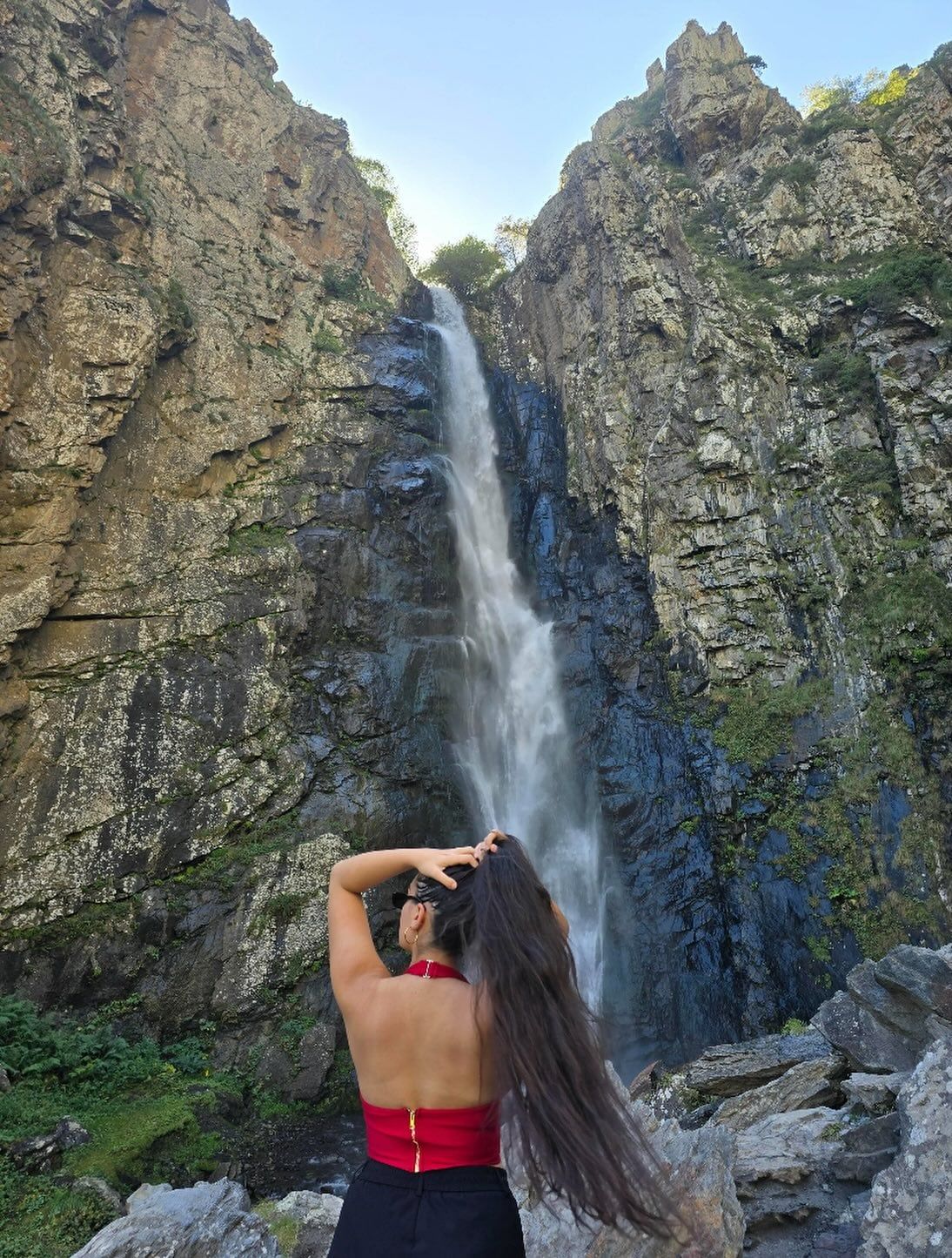
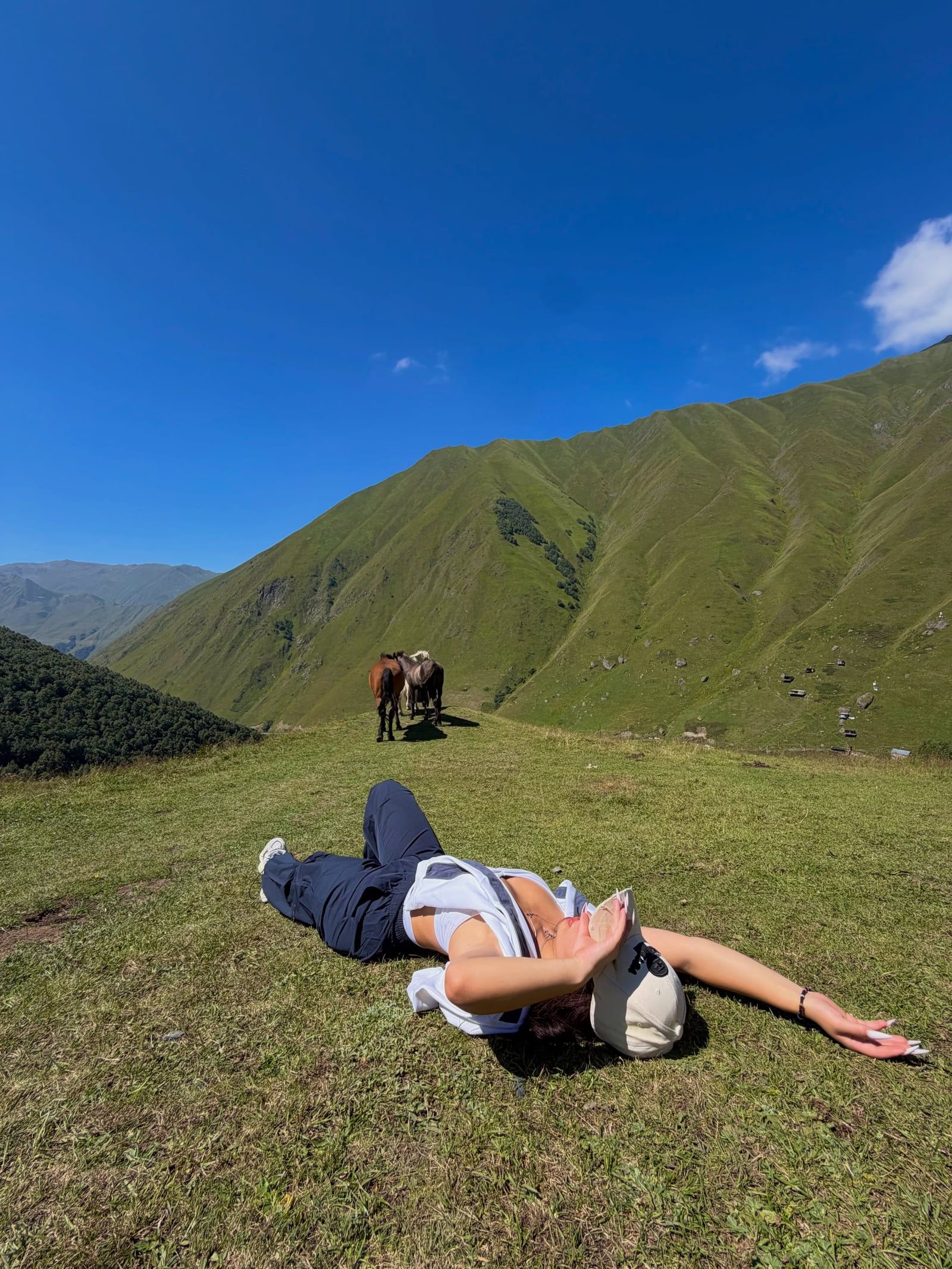
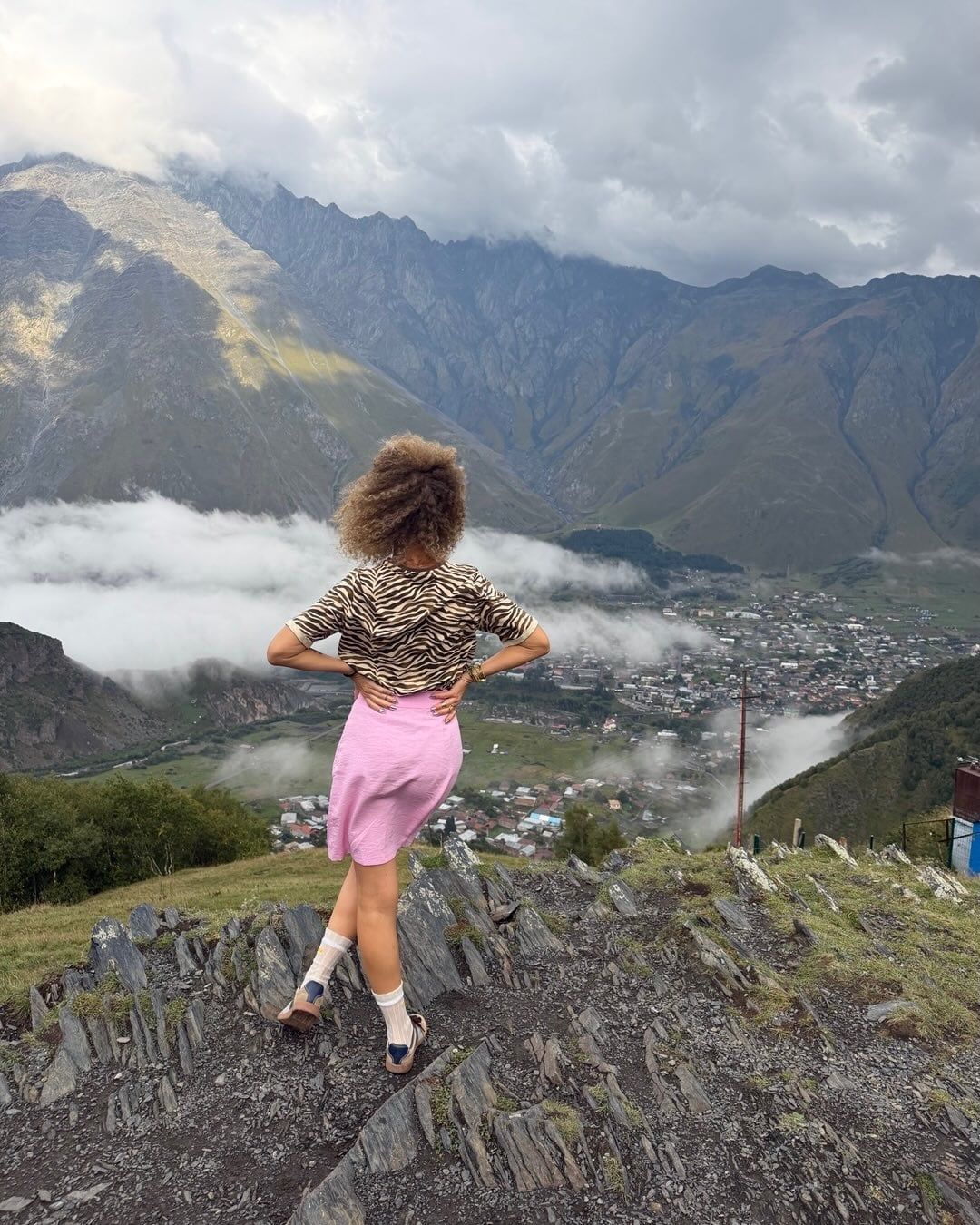
Both horse riding tours start in Stepantsminda, the town most people still call Kazbegi, and put you on calm local horses with a guide who speaks English or Russian. The short option climbs to Elia Monastery in one hour; the longer loop rides about two hours to Gergeti Trinity Church, perched at 2,170 m with Mount Kazbek's 5,054 m snow pyramid behind it. Either way, you trade the 60-75 minute hike on foot for a saddle and a slower, quieter look at the pastures above town.
The 2.5-hour tour covers roughly two hours in the saddle on a natural mountain trail from Stepantsminda up to the 14th-century church, 420 m above town. There's a photo stop at the church before you ride back down. It's the most photographed view in Georgia, and you arrive without the steep final hike.
The one-hour tour climbs to Elia Monastery through open mountain terrain on horses calm enough for first-timers. From the trail you get views of Kazbek, Gergeti Trinity Church across the valley, and the Caucasus peaks around Khevi. Book this one if you've never sat on a horse before.
Kazbek is a 5,054 m dormant stratovolcano, and it hides behind cloud more often than it shows itself. Morning rides give you the best odds — leave before about 8:00 AM and the peak is usually exposed. Later in the day fog rolling off the summit can swallow the church in minutes.
Every tour runs with a local horseman who knows the trails and the weather patterns, with guides available in English and Russian. Helmets are included on both tours, and you get a short riding introduction before setting off. The horses are local mountain breeds, sure-footed on the rough ground.
You meet the horses in town, at 1,740 m in the Terek River valley, 152 km north of Tbilisi on the Georgian Military Highway. No transfers or permits are needed for the ride itself. Town has guesthouses, restaurants and the Alexander Kazbegi museum if you arrive early.
The trails climb through pastures where livestock graze, inside Kazbegi National Park — 78,543 hectares of which only 35% is forested, the rest open alpine ground. Expect wind and cool air even in July, when town highs sit around 15°C. Bring a jacket.
Two rides run from Stepantsminda, both with local guides, helmets, and a 95 kg rider weight limit, and both cancellable for a full refund up to 24 hours before departure. Here's what to sort out before you pay.
Small groups meet the horse guide in Stepantsminda itself, so no hotel pickup or transfer is arranged — if you're staying in Tbilisi, you need to get yourself the 152 km to town first. Guides speak English and Russian. Book the Gergeti ride a few days ahead in July and August, when town fills up with hikers.
No entrance fees apply anywhere on either ride — Gergeti Trinity Church is free to enter and Elia Monastery has no ticket. Donations at the church are optional. So the tour price is the whole cost, aside from getting to Stepantsminda.
The Gergeti ride stops at the church, which is open daily 9:00 AM–5:00 PM. It's a working Orthodox monastery: women need covered heads and shoulders, men need long trousers, and wraps and headscarves are handed out at the entrance. Photography inside is not allowed; outside and on the grounds it's fine.
With spare time in Stepantsminda, Gveleti Waterfalls is a 20-30 minute walk in the Dariali Gorge, and Truso Valley is a mostly flat 21 km round-trip walk 40 minutes away by taxi. Juta and the Chaukhi massif are an hour's drive. Staying a night instead of day-tripping makes these easy to add.
Riding replaces the steep 3.5 km hike to the church, but it's not open to everyone: the 95 kg weight limit is firm, pregnancy excludes you, and you need to mount and balance on rough ground. Riders with knee or mobility problems should ask the operator directly before booking. Helmets are provided on both tours.
Both tours refund in full if you cancel at least 24 hours before departure — useful here, because mountain weather flips fast and Kazbek is often hidden anyway. Keep your booking flexible in March and April, when rain, snow and mud can make trails unpleasant. Summer bookings are the safe bet.
Marshrutka vans leave Didube bus station in Tbilisi 11 times daily for 20 GEL per person, taking 3-4 hours. A GoTrip private transfer runs from 190 GEL per car and lets you stop at Ananuri Fortress and the Friendship Monument on the way. Book either the night before if you have a morning ride.
Swipe to see more
| Elia Monastery Ride (Easy) | Gergeti Trinity Church Ride | |
|---|---|---|
| Duration | 1 hour | 2 hours 30 minutes (~2 hours riding) |
| Price from | $59 per person | $85 per person |
| Best for | First-time riders and families with older kids | Riders with moderate fitness who want the iconic church view without the hike |
| Includes | Local horse guide, helmet, mountain views of Kazbek and Gergeti Church | Local guide, ~2 hours riding, helmet, photo stop at Gergeti Trinity Church |
| Rating | 5.0 from 7 reviews | 4.7 from 3 reviews |
Swipe to see more
Horse rides run to order from Stepantsminda rather than on a fixed timetable — you arrange a start time with the guide when you book. Morning slots are the ones worth fighting for: Kazbek is most likely to be cloud-free before about 8:00 AM, and photographers favour the 7–9 AM window for soft light on the peak.
Gergeti Trinity Church itself is open daily 9:00 AM–5:00 PM, which matters if you're on the 2.5-hour ride — the photo stop only gives you interior access inside those hours. Gates to the churchyard may be locked outside them, though you can still walk the grounds.
Afternoon rides are possible and the 5–7 PM golden light is good for photos, but the odds of fog around the peak climb as the day goes on. Book the earliest slot you can manage.
Both rides start in Stepantsminda (Kazbegi), 152 km north of Tbilisi on the Georgian Military Highway. You make your own way to town — there's no pickup included.
If you're riding the same day you travel up, take the earliest marshrutka and book an afternoon slot. Better: arrive the night before and take the morning ride.
Mid-June to the end of September is the window. Valleys are clear of snow, wildflowers are out, and while Tbilisi bakes at 38°C in July, Kazbegi stays a crisp 15°C — bring a warm layer and a windproof jacket on any ride, even midsummer.
September and October add autumn colour and the rtveli grape harvest, though facilities on the pass side start winding down in October. Skip March and April: rain, snow, slush or mud depending on the year, and trails get unpleasant.
November to February brings serious avalanche risk at the Jvari Pass, where the road closes temporarily several times each winter — usually hours, occasionally 1–3 days. January daytime highs average around -4°C. If you must ride in winter, travel in the morning and check pass conditions before setting out.
The single best combination: an overnight stay in Stepantsminda plus a 7–8 AM ride. Clear mountain, quiet trail, done before lunch.
Horse riding sidesteps the main access problem in Kazbegi — the steep, rough 3.5 km dirt-and-rock trail to Gergeti Trinity Church, which is rated unsuitable for anyone with mobility issues. But riding has its own limits.
Town itself is walkable, and the Stepantsminda History Museum (Tuesday–Sunday, 10:00–17:30, 5 GEL) is easy to reach. Riders with knee, hip or back problems should tell the operator before booking — mounting is from the ground and dismounting onto uneven terrain. Ramps and new viewpoints have been under construction around the church area in recent years, improving access to the main platforms.
Stepantsminda is a small town of a few thousand people, but it's set up for visitors: guesthouses and small hotels, several restaurants serving khinkali and khachapuri, and a couple of gear shops. Book accommodation ahead for July and August.
There are no facilities at the church beyond the grounds themselves — no café, no toilets worth relying on. Eat before a morning ride and carry water. Mobile signal in town is fine but thins out on the higher trails.
Gergeti Trinity Church is a working Orthodox monastery, and the 2.5-hour ride stops there. Women must cover head and shoulders (a skirt or dress to at least the knee), men must wear long trousers and remove hats. Wraps and headscarves are handed out at the entrance, so you won't be turned away — but trousers beat borrowed cloth in the saddle anyway.
Helmets are included on both rides and the guides expect you to wear them. Max rider weight is 95 kg, and neither tour takes pregnant travelers.
No, not for the 1-hour Elia Monastery ride — it's built for first-timers, on calm local horses, and rated suitable for all fitness levels. The 2.5-hour Gergeti Trinity Church ride needs moderate fitness since you spend about two hours in the saddle on a climbing trail, but no prior experience is required there either. Both tours start with a short riding introduction and helmets are included.
Yes. The 2.5-hour tour rides from Stepantsminda up a natural mountain trail to the church at 2,170 m, with about two hours of riding plus a photo stop at the church. It replaces a 3.5 km hike each way with a 420 m climb that takes 60-75 minutes on foot. The ride costs $85 per person.
The 1-hour Elia Monastery ride is $59 per person; the 2.5-hour Gergeti Trinity Church loop is $85. Both include a local guide (English or Russian), the riding itself, and helmets. Nothing else costs extra — the church is free to enter and no permits are needed for the ride.
Yes, 95 kg is the maximum rider weight on both tours. Neither tour is recommended for pregnant travelers. If you're over the limit, the 4×4 shuttle to Gergeti Trinity Church costs around 40 GEL return, agreed with the driver before setting off.
Long trousers, for two reasons: saddle comfort, and the dress code at the church, where men need long trousers and women covered heads and shoulders (wraps and headscarves are provided at the entrance). Bring a warm, windproof layer even in July — town sits at 1,740 m and highs run around 15°C, with wind at the church. Closed shoes, not sandals. Helmets are included.
Both tours offer a full refund if you cancel at least 24 hours before the scheduled departure time. That flexibility matters here, since Kazbek is often hidden in cloud and mountain weather changes fast. If weather looks bad, morning riders have the fallback of asking the operator to shift to a later slot.
In Stepantsminda town itself — you meet the guide and horses there, with no hotel pickup included. Stepantsminda (still called Kazbegi by most people) is 152 km north of Tbilisi: marshrutka vans from Didube station cost 20 GEL and take 3-4 hours, or a private transfer from 190 GEL per car. If you're coming from Tbilisi for a morning ride, stay the night before.
Probably, if you ride in the morning. Kazbek (5,054 m) is often hidden by cloud, so a start before about 8:00 AM gives the best odds, and the 7-9 AM light is what photographers want. The Elia Monastery trail has views of Kazbek, Gergeti Trinity Church, and the surrounding Caucasus peaks. Later in the day, fog rolling off the summit can swallow the church in minutes.
The 1-hour Elia Monastery ride is the family option — it's rated easy enough for first-timers and all fitness levels, and older children in trainers manage the church trail on foot, so the ride is no harder. The 95 kg weight limit applies to everyone. Note the altitude (town at 1,740 m) and fast-changing weather, and check ages with the operator when booking, since policies vary.
Mid-June to the end of September, when trails are clear of snow and highs sit around 15°C. September adds autumn colour. Avoid March and April, when trails turn to mud or slush, and treat November-February with caution — avalanche closures at the 2,379 m Jvari Pass can block the road from Tbilisi for hours or, occasionally, days.
Browse verified tours with free cancellation and instant confirmation.
Find Tours


A one-hour ride from Stepantsminda up to Elia Monastery, on calm local horses that first-timers can handle. You'll meet a local horse guide in Stepantsminda, and the trail climbs through open mountain terrain with views of Mount Kazbek, Gergeti Trinity Church, and the surrounding Caucasus peaks. Elia Monastery sits on a hill above the valley — that's the turnaround point. Helmets, the horse, and the guide are all included. Guides speak English or Russian. Riders must be at least 6 years old, and there's a 95 kg (205 lbs) maximum rider weight. The tour starts at your booked time sharp — traffic between Tbilisi and Kazbegi is unpredictable, so build in buffer if you're coming from the capital. Free cancellation up to 24 hours before departure.
For a full refund, cancel at least 24 hours before the scheduled departure time.
Russian, English


This tour is a 2.5-hour horseback loop from Stepantsminda to Gergeti Trinity Church: roughly 2 hours in the saddle plus a photo stop at the church itself. You meet the guide and horses in town, get a short riding introduction and a helmet, then climb a natural mountain trail to the church, high above Stepantsminda. The way down follows a different route along the mountain road. Riding time is about 2 hours total, split between the ascent, the descent, and a pause at Gergeti Trinity Church for photos and the views over Mount Kazbek and the valley. The horses are calm and used to the terrain, so no previous riding experience is needed — but you should be comfortable with heights, uneven ground, and steep paths. A local guide leads the ride, in Russian or English, and helmets are provided. Cancellation is free up to 24 hours before departure.
For a full refund, cancel at least 24 hours before the scheduled departure time.
Russian, English